Emerging Technologies That Are Transforming Workplace Safety
Maintaining a safe work environment is a constant challenge for industrial operations. Traditional safety programs often depend on manual observations and reactive measures after an incident has occurred. New technologies are shifting this paradigm, offering proactive ways to identify risks and prevent accidents before they happen. These tools provide safety managers with the insights needed to build a more resilient safety culture.
Wearable Devices for Real-Time Monitoring
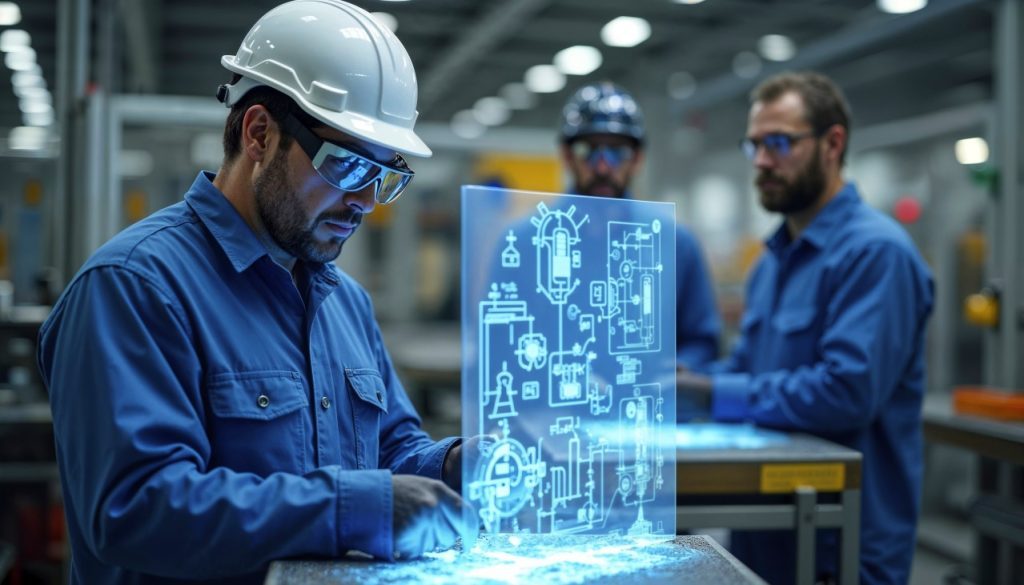
Wearable technology offers a direct line of sight into a worker’s immediate environment and physical state. Devices such as smart helmets, connected vests, and wristbands are equipped with sensors that provide continuous data streams. This information helps create a more aware and protected workforce.
Enhancing Individual Awareness
One of the primary functions of wearables is to monitor a worker’s location within a facility. Geofencing capabilities can create virtual boundaries around hazardous areas, sending alerts to an employee who enters a restricted zone. This is especially useful in large, complex environments where people work in proximity to heavy machinery or automated equipment. These devices can also alert workers to nearby moving vehicles, reducing the risk of collisions.
Detecting Fatigue and Environmental Risks
Wearables can also monitor biometric data to detect signs of fatigue or heat stress, which are common precursors to accidents. By tracking vital signs, supervisors can receive alerts when a worker may be at risk and needs to take a break. Additionally, some devices are equipped to monitor environmental conditions. They can detect harmful substances in the air or extreme temperatures, providing timely warnings to prevent exposure.
- Alerts workers when they enter restricted or dangerous zones.
- Monitors vital signs for indicators of fatigue or physical distress.
- Detects environmental hazards like poor air quality or high temperatures.
- Provides lone worker support with automatic fall detection and alerts.
Computer Vision and Artificial Intelligence
Artificial intelligence, particularly computer vision, uses existing camera infrastructure to analyze workplace activities in real time. AI algorithms can be trained to recognize specific unsafe behaviors and conditions, turning passive video feeds into an active safety monitoring system. This allows for immediate intervention and a deeper identification of operational risks.
Proactive Hazard Identification
Computer vision systems can automatically detect non-compliance with personal protective equipment (PPE) protocols, such as a worker not wearing a hard hat or high-visibility vest in a designated area. The technology also identifies risky actions, like improper lifting techniques that could lead to musculoskeletal injuries. By flagging these events as they happen, managers can address them immediately.
Optimizing High-Traffic Areas
In busy environments like warehouses and loading docks, computer vision analyzes the interactions between people and machinery. It can identify near-miss events, such as a forklift operating too close to a pedestrian, and collect data on these occurrences. This information helps safety teams recognize high-risk intersections and redesign workflows or install physical barriers to prevent future incidents.
- Identifies missing or incorrectly worn personal protective equipment.
- Detects unsafe postures and ergonomic risks during manual handling tasks.
- Monitors vehicle and pedestrian interactions to prevent collisions.
- Recognizes when workers enter unauthorized or restricted zones.
Data Analytics for Predictive Insights
The data collected from wearables, computer vision systems, and other sources provides a foundation for predictive safety analytics. Instead of only reviewing past incidents, organizations can use this information to forecast where and when future events are likely to happen. This enables a shift from a reactive to a predictive safety strategy.
Moving from Reactive to Predictive Safety
Predictive analytics uses machine learning algorithms to sift through large datasets and identify hidden patterns. By analyzing historical incident data alongside real-time operational data, these systems can calculate risk scores for different areas, tasks, or times of day. This approach helps organizations anticipate problems and allocate resources more strategically to prevent them.
Identifying High-Risk Zones and Behaviors
Through continuous data analysis, safety managers can pinpoint specific locations in a facility where near-misses or unsafe behaviors are frequent. This insight allows for targeted interventions, such as additional training for specific teams, re-engineering a workstation, or improving signage. This data-driven approach ensures that safety efforts are focused on the areas with the greatest potential for improvement.
Implementing Advanced Safety Solutions
The adoption of new technologies is changing how organizations manage workplace safety. These tools empower teams to move beyond simple compliance and build proactive systems that anticipate and mitigate risk. An AI-powered workplace safety platform can help centralize data and generate the actionable insights needed to create a safer and more productive environment.